Doctor Death
The Compassionate Killer
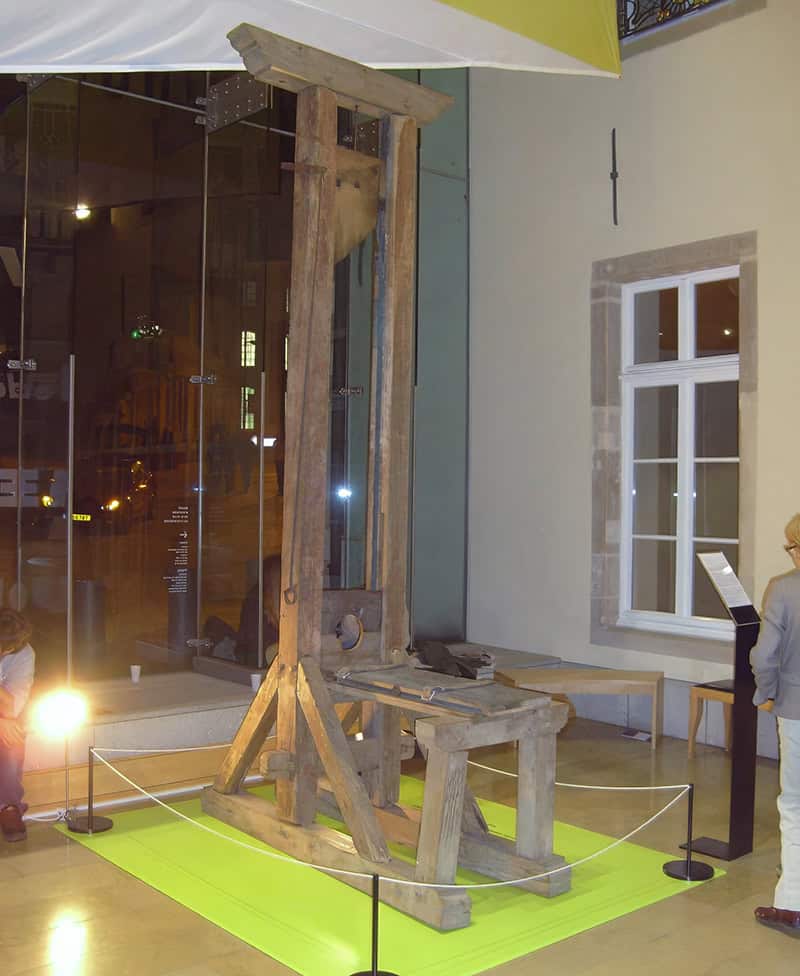
This is a pretty typical guillotine automatic beheading device.
It’s honestly pretty pathetic that, as a species, we have to make stuff like this.
Wikipedia photo by Christian Ries.
Mary, Queen of Scots, was late to her own execution. A famously Catholic regent, the well-known diva was condemned by her cousin Elizabeth I, the reigning queen of England. The Protestant Elizabeth had been surreptitiously reading Mary’s encoded mail. She discovered a murder plot against her that Mary had been directing from captivity.
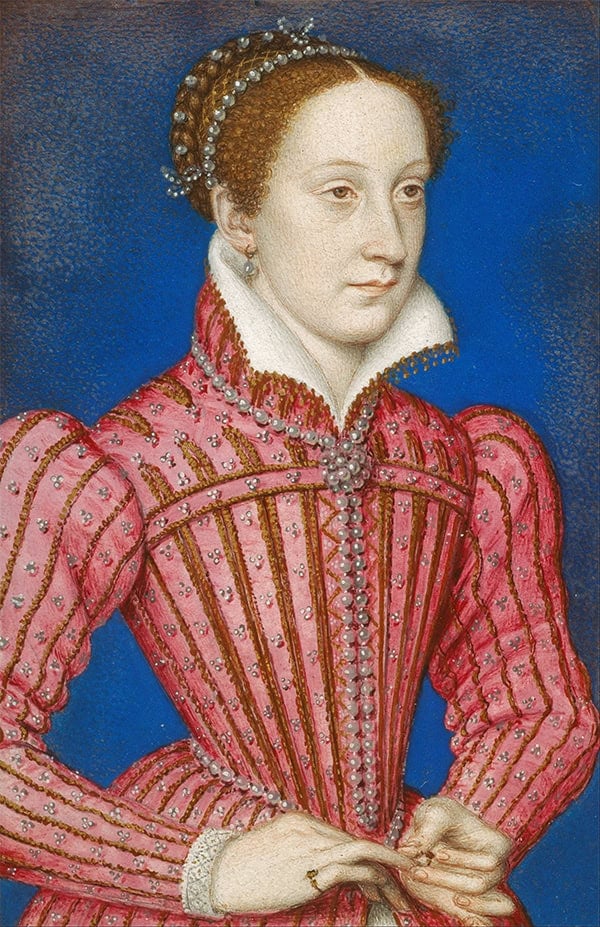
Marry Queen of Scots. Public domain.
The Big Event
On the morning of 8 February 1587, Mary procrastinated while getting dressed and eventually made it to the scaffold at Fotheringhay an hour after the appointed time. There, her executioner, a hulking man known only as Bull, knelt before her and begged her forgiveness for what he was about to do. As weird as that sounds, this was common practice at the time. Mary responded with, “I forgive you with all my heart, for now, I hope, you shall make an end of all my troubles.”
Now blindfolded with an embroidered white veil and clad in a scandalous crimson undergarment, Mary submitted her neck to the block. However, Bull was understandably anxious. His first blow missed the poor woman’s neck and struck her in the back of the head. She shrieked like, well, somebody having her head cut off.
The second stroke fell true but still failed to fully sever her head. The embarrassed Bull was forced to saw with his axe to get through the last bit of gristle. To add insult to injury, the formal presentation of the severed head did not go as planned, either.
Mary was known for her legendary auburn tresses. When Bull grasped her hair to hold her liberated head aloft, her much-admired coif was found to have been a wig. The pathetic woman’s small, nearly bald head rolled ignobly around the scaffold whilst Bull and his assistant struggled to get control of it. One of the witnesses later said, “Her lips stirred up and down a quarter of an hour after her head was cut off.” Mary’s small dog was also later discovered to have been hiding in the decapitated queen’s copious flowing skirts. All in all, Mary’s execution was just a bloody, gory mess.
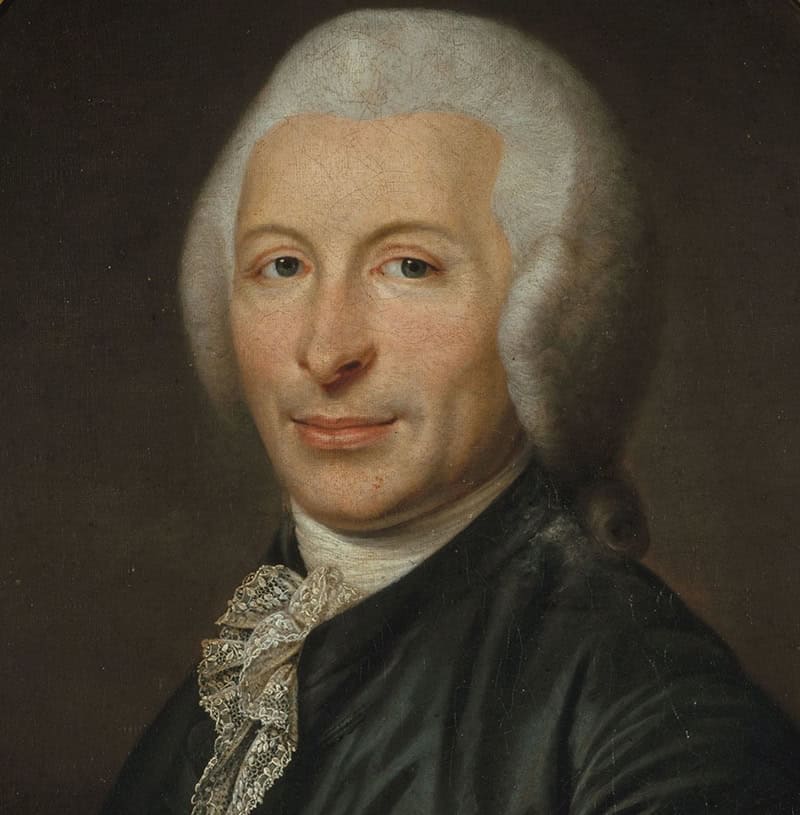
This is Dr. Joseph-Ignace Guillotin. He actually didn’t invent the death machine
that bore his name. He just felt there should be something more compassionate
than burning people alive. Public domain.
The Guy
Joseph-Ignace Guillotin was a French politician, Freemason, and physician born in 1738. Though his name has been forever linked to the death machine made famous during the hemoclysm that was the French Revolution, Dr. Guillotin did not actually invent his eponymous automatic beheading device. The first recorded reference to such a contrivance dates back to 1210 and a book titled the Old French High History of the Holy Grail. This curious machine serviced three victims at once.
From the book, “She setteth her hand toward the openings and draweth forth a pin that was fastened into the wall, and a cutting blade of steel droppeth down, of steel sharper than any razor, and closeth up the three openings.”
The 16th-century Halifax Gibbet did something similar. This infernal engine remained in use until Oliver Cromwell forbade capital punishment for petty theft. The Halifax Gibbet went on to inspire the Scottish Maiden beheading machine that was used to kill James Douglas, the 4th Earl of Morton in 1581.
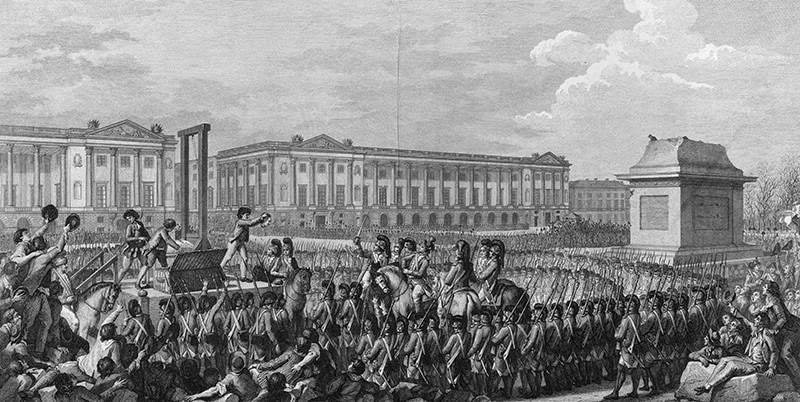
Private executions are a fairly recent concept. In eons past, they were typically quite public affairs.
Holding aloft the recently-severed head was a critical aspect of the festivities. Public domain.
But Then in France …
The French device was actually known for a time as the louisette after its inventor Antoine Louis. It was only later named after the good Dr. Guillotin. Guillotin was, perversely, an ardent opponent of capital punishment himself. He recommended the device that later bore his name with reluctance in an effort at ending such abominable practices as breaking on the wheel and burning at the stake.
Early beheading machines used a crescent blade, but this design was found to yield suboptimal results. The soft steel of the day dulled rapidly under hard use, and the curved blades were bad to make an unnecessary mess of things. It was found through extensive empirical testing that the classic angled design produced more uniform results. The first French execution by guillotine was of a highwayman named Nicolas Jacques Pelletier on 25 April 1792. There would be many, many more.
Some 17,000 people were guillotined during the Reign of Terror, Marie Antoinette famously among them. Sometimes dozens of victims fell in a single day. The executioners would clean and disassemble the device at night to resharpen the blade. However, after a long day of neck chopping, they oftentimes became unsettlingly dull. The wealthy condemned not infrequently paid the executioners so they could bump up to the front of the line and be spared the agony of a dull blade.
Modern Treatment
Hamida Djandoubi was a Tunisian pimp convicted of murdering one of his girls in 1974. He was the last man executed by guillotine in France. However, Djandoubi’s 1977 execution was performed in private. It was not a public spectacle. The last public execution by guillotine in France occurred on 17 June 1939 in Paris.
On this day, serial killer Eugen Weidmann was publicly beheaded outside Saint-Pierre Prison in Versailles. In the immediate aftermath, the crowd literally went wild. So much so that French President Albert Lebrun banned all future public executions.
Tucked into the crowd was a 17-year-old Englishman named Christopher Lee. Lee had been visiting a family friend and came out to see the spectacle driven by simple curiosity. Lee went on to an amazing career as a spy during WWII and later hunted Nazi war criminals. Afterward, he became a famous movie star playing predominantly horror roles. He is likely best known for playing Count Dooku in Star Wars and Saruman in The Lord of the Rings.
Lee later said, “We arrived to an open square, steadily filling with people. Dawn broke on the scene, and I realized the focus of the amassed crowd was on Madame Guillotine … (Weidmann) was whisked off his feet, bound, punched in the gut, placed on the monstrous contraption, and adjusted into position. The blade fell and I failed to look away. I was sick to my soul …”
Get More Guncrank Stories Every Week!
By submitting this form, you are consenting to receive marketing emails from: . You can revoke your consent to receive emails at any time by using the SafeUnsubscribe® link, found at the bottom of every email. Emails are serviced by Constant Contact