What You Need to Know
About Bad Ammo

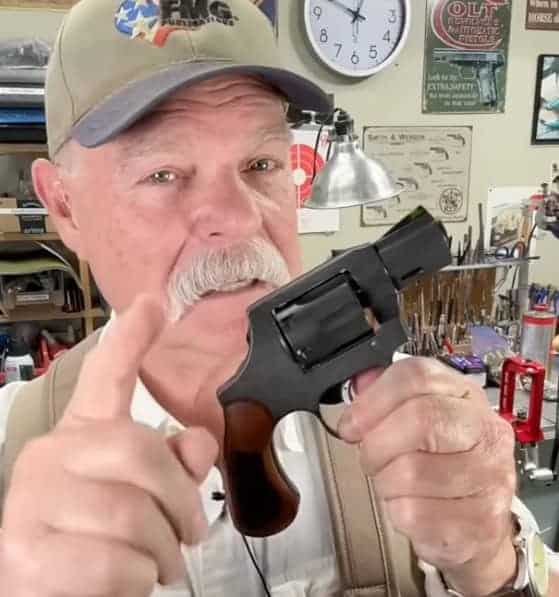
I found out firsthand how primers can go "weak" or fail completely. These didn't fire at all.
Others fired with minimal power. The primers were in original, but not sealed, packaging, so water
or solvent damage was a possibility. These were reloads for a Smith & Wesson Governor revolver project.
Modern ammunition is remarkably safe and surprisingly stable, especially compared to the powder used in times past. Unlike the black powder our great-grandfathers burned, it isn’t technically explosive. It sure seems like it, but that’s only because the propellant inside burns faster than a politician ducking a lunch tab. Stored with a modicum of care, it survives even in moderate heat and, within reason, resists corroding into anything dangerous over time.
All that said, sooner or later, you’re going to end up holding a round or three you probably shouldn’t shoot. Maybe you inherited a dusty ammo can. Maybe a buddy handed you a baggie of mystery loads. Maybe a fresh factory round just refuses to go bang. Or perhaps you picked up some “antique” ammo from a gun show.
Let’s sort out what makes ammo “bad,” why bad ammo can wreck your afternoon, along with your gun and possibly your face, and how to get rid of it safely.

Making .410 handloads for this Smith & Wesson Governor,
I found out just how normal-looking primers might still be bad.
What counts as "bad" ammo?
I suppose we can define “bad” in a number of different ways. It no longer works. It’s unsafe. It may damage your gun. Or even, its condition is unknown.
Old
Modern smokeless ammo, meaning anything that isn’t black powder-based, has a wonderfully long shelf life when it’s stored right. People shoot pre-World War II ammo all the time, and surplus rifle and pistol ammo still moves by the case — safely. Old, by itself, does not mean bad.
Origin and storage history are what matter. Surplus from a known plant, cared for and kept dry, is almost certainly fine. Handloads cooked up in who-knows-what conditions by who-knows-who are a different animal. If you can’t vouch for where a round came from and how it was kept, treat it as suspect. Here’s where the gun show finds can be tricky. If it’s in an original, sealed can or case, the risk diminishes dramatically. If it’s been divided into baggies, then beware.

I bought this 8mm surplus practice ammo in Ziploc bags. Normally a no-no,
but I was there when the seller cracked open the case for the first time and divided it up.
You can tell how long ago that was by the price!
Give old ammo a good once-over before you shoot it. Start with the packaging. Water stains or discoloration on cardboard or wood boxes tell you moisture got in at some point. Then look at the cartridges, especially the ones sitting at the bottom of the box or can where moisture settles. You’re hunting for corrosion, green crud around case mouths and primers, cracks, and physical damage.
Two things trip people up with genuinely old ammo. First, a lot of vintage military surplus was loaded with corrosive primers. Those rounds fire just fine, but the primer salts pull moisture out of the air and will rust your bore overnight if you don’t clean promptly. It isn’t a safety problem so much as a maintenance one. Shoot it, then clean soon after with a water-based or ammonia solvent that dissolves the salts. I’ve always used a first cleaning pass with Windex, followed by traditional bore cleaners and oil.
Second, learn the smell of powder going bad. Fresh smokeless powder smells faintly of solvent or acetone. If you crack open an old can and get a sharp, sour, acidic reek that makes your eyes water, or you spot a fine reddish-brown dust on the rounds or inside the box, the powder is breaking down. Get rid of it. Deteriorating powder generates its own heat as it decomposes and, in rare cases, can self-ignite. That’s not a maybe-someday theory; it’s exactly why the industry tells you to check old stocks and toss anything that smells sour or leaves that rusty dust.

When buying surplus, it's always desirable to get it in the original, sealed case.
This one had two sealed cans inside the wood crate.
Improperly stored
Sometimes you’ll run across ammo that spent its life somewhere wet, humid, or otherwise hostile. Think sheds, barns or a surplus Quonset hut that’s seen better days. If moisture or oil has worked its way into the case, there’s a chance the powder or primer is compromised. The round might not fire at all. That may sound harmless, but it isn’t, and we’ll get to why in a minute.
Suspect
If you end up with ammo of unknown origin, slow down. A factory box you forgot you bought a few years back is probably fine. A sandwich bag of “special super-hot handloads” from a range buddy is not worth the gamble, because you have no idea what pressure those things run or what quality control went into them. Same goes for orphan rounds you scoop off the range floor. You don’t know their story, so don’t shoot them. If you can’t be confident a round came from a reputable source and was stored properly, it’s not worth the risk. If you were walking down the street and came across a ribeye steak on a plate, just sitting on the curb, would you eat it?
Defective
Sometimes a perfectly new, perfectly stored round just doesn’t go bang. Maybe the primer’s a dud, maybe the gun delivered a weak firing pin strike. Either way, you press the trigger and get a click instead of a boom. That round now counts as bad, and it needs to go. Hold that thought, because how you handle that click matters. More on that shortly.
Damaged
Cartridges take damage in all kinds of ways. They get crushed in storage or shipping, dinged feeding into a magazine or chamber, or they show up from the factory already dented.
If you see a dent or crack in a case, don’t shoot it. It’s not worth the risk.
The sneaky one is bullet setback, where the bullet gets shoved deeper into the case. It can happen when you chamber the same round over and over, or from a sharp knock. Here’s why it’s a big deal: firing a cartridge creates a large volume of expanding gas in a hurry. Push the bullet deeper, and you’ve shrunk the space that gas has to work with, which drives pressure up, sometimes to dangerous levels. Setback can genuinely blow up a gun.
If a bullet looks pushed back into the case, don’t shoot it.

"Bad" ammo can mean damaged or defective. These rounds have severe bullet setback.
Dispose, don't shoot. Or if you're a reloader, pull those bullets and start over.
Why bad ammo is dangerous
A few different things can happen when you fire a bad round, and none of them are good.
Consider what you’re actually holding. Pistol ammo generates chamber pressures in the neighborhood of 20,000 to 35,000 psi, and plenty of common rounds like 9mm and .357 Magnum sit right up at that 35,000 mark. Rifle cartridges often start around 55,000 psi, and many push past 60,000. For perspective, your car tires hold about 32 psi. Now remember you’re cradling that little contained explosion in your hands, inches from your face. That’s the power you’re trusting bad ammo to keep bottled up.
Case rupture
An old, weak, or corroded case has lost some of its original strength. When it goes off, the brass can split or rupture, venting burning gas and debris back into the action and toward you. Exactly as unpleasant as it sounds.
Misfire and hang fire
Click instead of bang is a misfire. Usually, it’s a dud round or a gun problem, and often, it’s harmless. But you can’t tell by looking, so you treat every misfire like it might be a hang fire, where the primer lights but the powder charge takes a beat to catch. Instead of firing instantly, it can go off a fraction of a second, or in rarer cases, a few full seconds, later.
After a click, keep the muzzle pointed downrange for at least 30 seconds, and a full minute is better. Don’t open the action or turn the gun to peek at it.
Give a delayed round the chance to fire in a safe direction instead of in your hand or next to your face while you’re fiddling with it.

Sometimes you hear click instead of bang. Might be bad primers,
a weak spring, dirty firing pin channel, or a damaged gun.
Squib
A squib is a round that fires with too little oomph to push the bullet all the way out the barrel. If that bullet stops inside the bore, the very last thing you want to do is touch off another round behind it. Remember all that pressure? With an obstruction in the way, it has nowhere to go, and the result is an explosion. Your gun will very likely come apart, with a real risk of serious injury or worse.
If a shot sounds weak, muffled, or just plain off, or the recoil feels wrong, stop shooting immediately. Unload the gun and confirm the bore is clear before you fire another round.
Storing ammo so it doesn't go bad
Most “bad ammo” is really “badly stored ammo,” so a little prevention goes a long way. The enemies are moisture, heat, and time, roughly in that order.
Keep your ammo cool, dry, and stable. A closet shelf inside the house beats a garage or attic that bakes in summer and freezes in winter, because that constant heat cycling is tough on ammo. Leave rounds in their original boxes or stash them in a quality sealed ammo can, and drop in a desiccant pack or two to mop up humidity. Keep solvents and oils well away from stored ammo, since both can creep past case mouths and primers and quietly do damage. Stored properly like this, your ammo will very likely outlast you.

If you're going to store ammo, especially in something like a garage,
these plastic, sealed ammo boxes are a lifesaver.
What to do with bad ammo
So you’ve decided a batch of ammo is old, damaged, suspect, or just plain done. Now what?
First, do not throw it in the household trash. You’ve got better options.
Shooting ranges and clubs almost always keep an “amnesty box” for exactly this reason. Ask the range officer. They don’t want bad ammo in circulation, and they really don’t want anyone trying to fire it on their line, so they’re usually glad to take it. This is a perfect answer for the dud you discover mid-session. If you’ve got a whole stockpile at home to unload, they may be less enthusiastic, but it’s worth asking.
Local police often handle ammo disposal, too. As a test, I called my own town police department. The operator knew exactly what I meant and pointed me to the county sheriff. One quick email later, I had my answer: drop off bad, old, suspect, or damaged ammo at the sheriff’s main office. Too far to drive? You can hand it to any patrolling deputy. Yes, really. It goes to the bomb squad, who eventually dispose of it under controlled conditions, and they’re glad to have free material for training. The ammo goes away safely, and the bomb techs get practice, so everyone wins. Your local process will differ, but a call or two will almost always sort it out. Do call first. It’s far more polite and less likely to cause a panic when you walk in the front door shouting, “I’ve got a thousand rounds of ammo!” Plenty of areas also run household hazardous waste collection sites that take ammunition.
Whatever route you pick, follow proper disposal procedure. Loose rounds won’t launch the way they do from a chamber, but they can still burn, split, and fling fragments that hurt people and things.
Get more exclusive online content from American Handgunner delivered straight to your inbox. Sign up for our free American Handgunner Insider newsletter.