Smith & Wesson Victory Model
Bringing an Old Warhorse Back to Life
There are few things I enjoy more than an old Smith & Wesson revolver. There’s just something about these guns. They have character, history and, if they’ve been around long enough, usually a few stories to tell.
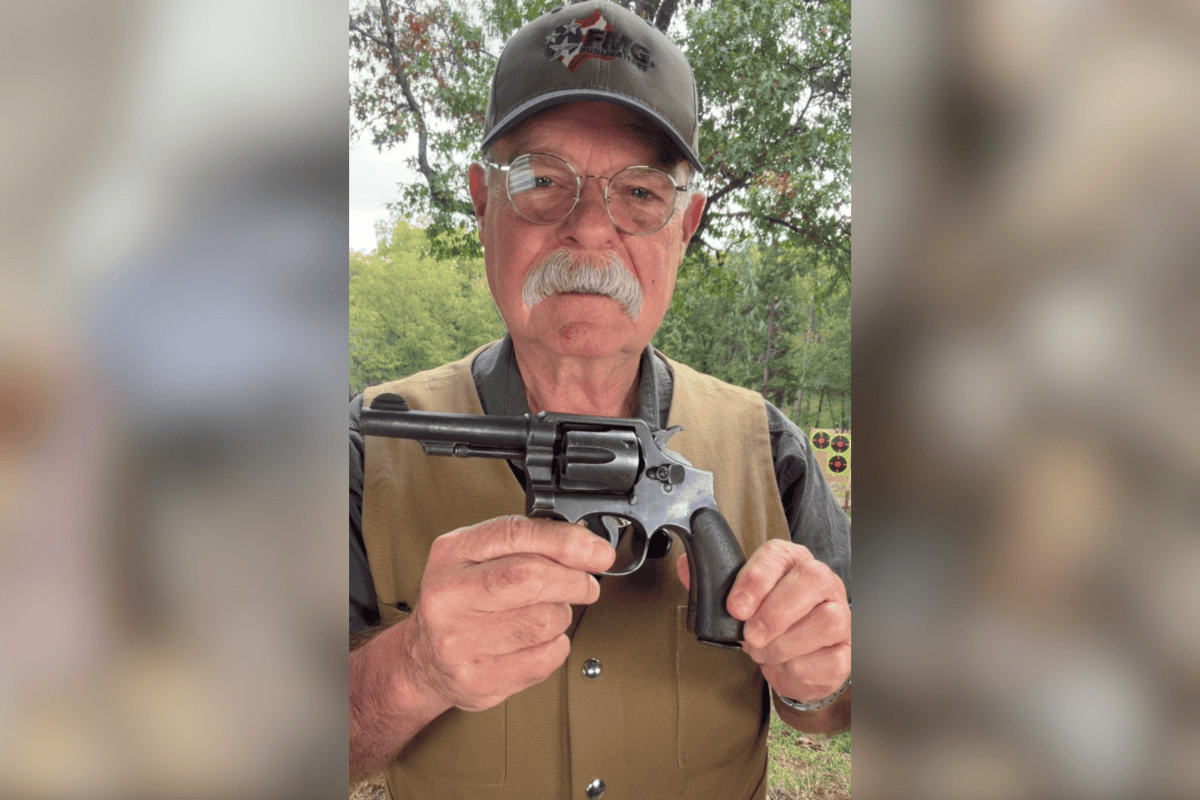
The revolver I’m holding here is a pretty representative example of a World War II-era Smith & Wesson Victory Model. It’s wearing its original wartime finish, although there’s not much blue left to speak of. Years of use have left it with an overall patina that I happen to find rather appealing. It’s an honest old gun, and I wouldn’t change that.
One interesting detail is the word “Navy” stamped on the top of the revolver. Evidently, there’s some history there, which I don’t entirely understand.
A friend of mine brought this revolver over recently because, as he put it, it was sick. He wasn’t kidding. The gun was out of time and needed some attention before it could be considered functional again.
Fortunately, I have a rather extensive collection of old Smith & Wesson parts. People sometimes ask why I keep so many old parts around. Well, this is exactly why. When an old revolver comes through the door needing a little help, having the right pieces on hand can make all the difference.
I dug through my collection, found a couple of bits I needed and fitted them to the gun. After some careful attention, the old Smith & Wesson was timing properly again and functioning just as it should.
I hadn’t actually fired it yet, though, so there was only one sensible thing left to do.
This particular Victory Model is chambered in .38 Special. That’s the American version of the story. The British military used the .38 S&W cartridge in its service revolvers, while American examples like this one were chambered for .38 Special.
I set up at about 12 yards and decided to shoot six rounds double-action. For ammunition, I chose Black Hills Target Wadcutter loads.
That’s an important consideration with an old revolver like this. I wouldn’t recommend feeding it anything more than standard-pressure ammunition intended for this type of firearm. People sometimes ask whether they can shoot +P ammunition in older revolvers. My answer is pretty simple: No. If you want to shoot hotter ammunition, go buy a modern gun designed for it.
These old girls deserve a little respect and care. There’s no reason to push an 80-year-old revolver beyond what it was designed to handle. Stick with appropriate ammunition and enjoy the gun for what it is.
With that settled, it was time to see what happened.
I was actually surprised by how well everything came together. Even more surprising was that the sights were right where they needed to be. With that particular load, the point of impact was right where my sight picture indicated it should be. That’s always a pleasant discovery, especially with an old revolver that has clearly seen plenty of life.
There’s something particularly satisfying about taking a neglected old firearm, figuring out what’s wrong with it and getting it back into working order. It’s not about making it look brand new or turning it into something it was never intended to be. It’s about preserving a little piece of history and giving it another opportunity to be enjoyed.
I’ll let my friend know his revolver is back in business. I’m pretty sure he’ll be as happy about that as I am.
And if you enjoy old Smith & Wesson revolvers, a little tinkering and the occasional trip to the range with a piece of history, well, you should do this kind of thing. I certainly intend to.
Want more videos from American Handgunner delivered straight to your inbox? Sign up for our FREE weekly email newsletters.