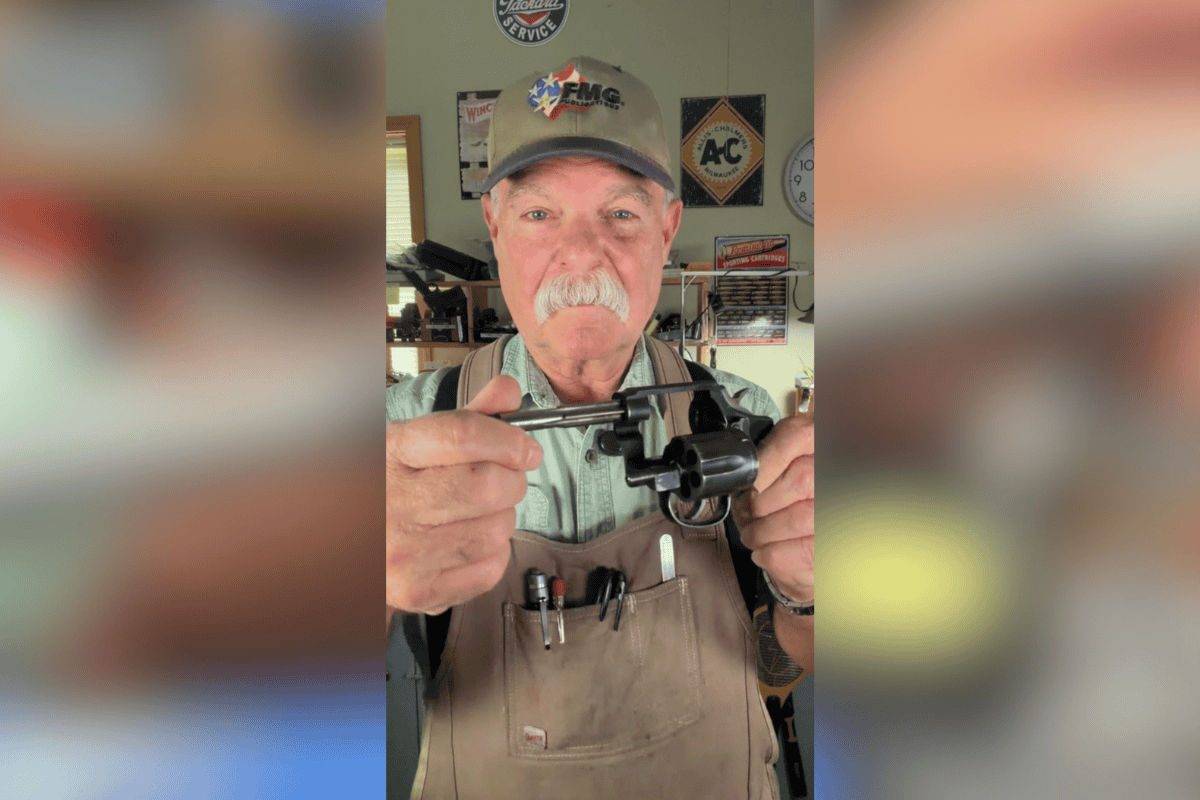
Things You Learn...
Reloading Your Own Ammunition

Loading your own allows you to tinker with not only bullet and powder choices, but more refined variables like seating depth.
These details are part of being able to tune for your specific gun.
Every new venture comes with a learning curve…
Wouldn’t life be great if you could watch a video, read a book, or talk to a friend and learn everything you need to know about some topic, process, or project? Sure, you can get the basics, and usually enough to get the job done, but there’s always a Mariana Trench-full of details and obscure scenarios you can only learn from experience.
Such is reloading your own ammunition. I certainly don’t intend to frighten anyone off the idea; just the opposite. I’m an avid reloading teacher and even wrote a popular book that has taught tens of thousands in our community to reload their own ammo. It’s a great hobby. And, if you exercise care and invest some time and effort in learning, you can be safe and productive right off the bat.
But you’ll still learn stuff you hadn’t fully anticipated over time.
I thought it might be fun to reflect on some of the learnings from my reloading journey.
Danger! Squibs!
I’d probably heard of squib loads early in my shooting journey. Or maybe I hadn’t. It’s hard to tell because I was one of those weirdos who started reloading pretty early on in the “let’s go buy some guns and start shooting” phase.
In any case, I certainly didn’t appreciate the power of the squib load nearly enough until I started to reload my own. And I’ve yet to come across a new(er) shooter who knows enough about what they are to think long and hard about the necessary awareness during a shooting session.

Surplus ammo like this can result in a higher percentage of weak or squib loads. The bullets on these were cut
to "prove" none had steel cores — a specific requirement for one range.
For those not familiar, a “squib” load is simply a dangerously weak cartridge. Whatever the cause, there’s not enough pressure to get the projectile through the barrel to the point where it exits the muzzle. The result is, if the bullet does make it out of the cartridge case, it can get stuck somewhere in the barrel. This is a bad thing if you fire a follow-up shot. Then, you have a full-powered load launching into an obstructed bore. With nowhere for the bullet and expanding gas to go, bad things happen. Think guns blowing up and the like.
Anyway, a squib can be caused by a complete lack of powder in a cartridge. When you press the trigger, the primer ignites as normal, and that’s all you get. Depending on the gun and caliber combination, that small conflagration might just be enough to dislodge the bullet from the case and shove it into the barrel somewhere between the chamber and muzzle. Whether a homemade handled or a factory round, it’s possible for a round to slip through the process with the powder completely missing. Rest easy, modern gun manufacturers invest in extraordinary processes and equipment to guard against this. Handholds? Not so much. While many handloaders will tell you their process is “perfect” and the scenario is “impossible” on their bench, I’d encourage you to reflect on the fact that we’re all human and really weird, seemingly “impossible” outcomes have a way of happening far too frequently.
A squib might also be caused by an undercharged cartridge — too little powder. This may produce a similar result to the no-powder scenario.
Then there’s crudded up or old ammo. Ammo can be shot safely for many decades after manufacture if it’s been stored properly. If not, moisture, oil, or whatever might gunk it up and cause misfires and squibs.
Whatever the cause, it’s healthy to be aware of the squib concept. Should you ever hear a shot that is “off” or weak-sounding, stop that next trigger press with all possible haste. Do not, under any circumstances, press the trigger again until you double-check everything to make sure you have a clear barrel and all is well with both ammo and gun. This is one of those mental habits that might save you from serious injury.

Reloading will teach you to look for stuff like this that might result in dangerously high pressure.
If a bullet is seated too deep, it reduces the case volume, which in turn, increases pressure upon ignition.
In Ammo We Trust
On a related topic, I’ve learned not to “trust” ammo like I used to. Whether “nifty ammo from a guy” or gun show specials, it’s healthy to be cautious about what you put in your guns.
Gun shows are fun, and many of us enjoy finding unusual, interesting, or old guns and ammo. If obscure or “swinging deal” ammo from a garage reloader catches your attention, think about the learning we just covered above. And also think about the potential consequences of an overcharged round. Too much pressure in a “safe” gun can also have disastrous outcomes.

One thing you'll learn is to inspect all ammo you use, factory or hand-loaded, one last time before loading it in your gun.
Judgment comes into play here. I suspect many of today’s big ammo companies started with a shoestring garage operation, so becoming a customer of a young company is not necessarily a bad thing. But ask questions. Look them up if they’re big enough to be online, and even still, know they aren’t able to invest in million-dollar precision inspection machines to make sure every single round is perfect.
As with most things, it’s a matter of pros and cons. I won’t be shooting ammo of unknown origin just to save a buck or two a box, but to each his own. Just understand and consider the risks and potential downsides, and weigh those against the convenience or savings. As they say, there’s no such thing as a free lunch.
Tuning Ammo to Your Gun and Preferences Changes Everything
The best part of reloading is enjoying your creations on the range when the bench work is finished. Sure, the pure satisfaction of using your own creations is great. But I’m talking about a different level.
When you’re in control of ammo production, you’ve got two different opportunities for a custom shooting experience, above and beyond the expected pride factor.

The process of tuning ammo for a specific gun is a rewarding one!
First, you can tune ammo to your gun. While the “tuning” benefits apply to handguns too, the more visible results are in the rifle world. Ammo manufacturers have to produce cartridges that will work in any gun. You only have to produce ammo for one gun. Rifle or pistol, every firearm is a bit different. Companies engineer different chamber cuts, the exact position where rifling starts, what they chamber to rifled bore transition looks like, and what style of rifling is used. As a result, a factory cartridge has to live comfortably in the middle of the spec range.
Andy’s Accurate Ammo company can’t really make rounds that press right up against the rifling in your gun because those cartridges might be a tad too long for someone else’s. (We won’t go into minutia; I’m just fabricating an example here. Sometimes guns like some jump to the rifling, and sometimes they don’t. That’s part of the fun of developing a custom load for your gun!)
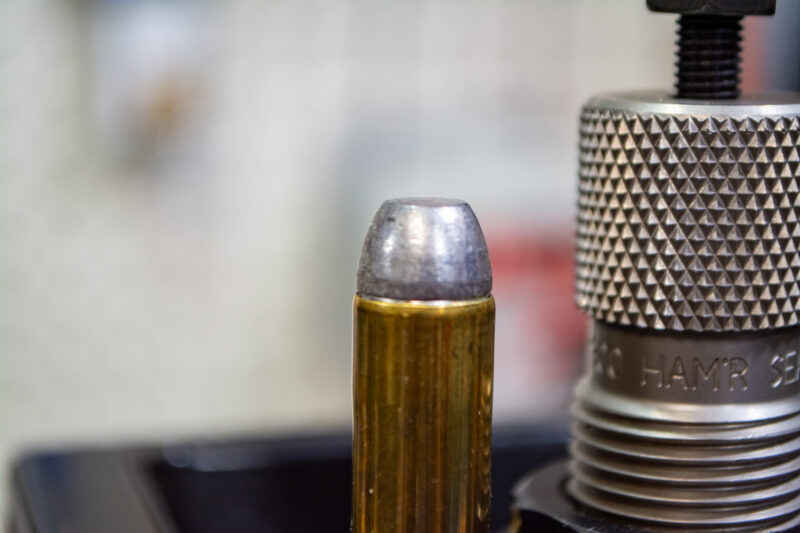
Even crimp type and degree can make a difference when customizing loads for your specific gun.
Anyway, without the constraint of having to function properly in all other guns, you can pick and choose which bullet type, seating depth, charge, neck sized or not, and all the other details that define a cartridge work best in your firearm. After experimenting, I’ve seen dramatic improvements in accuracy from tweaked handholds for a specific gun.
The second custom shooting experience boils down to fun. While I enjoy the big bang and blast of full power loads, sometimes it’s just plain fun to tinker around with bunny fart concoctions. Why not whip up a batch of revolver fodder or even surplus rifle rounds that shoot like a .22? It’s not only fun for you, but a great way to expose new and younger shooters to a variety of firearms without all the recoil and chaos. I can’t speak for you, but I’ll never get tired of shooting a 1911 with 600 fps loads or a Springfield M1903 firing cast bullets at 1,100 fps or so. Fun stuff!
Of course, there’s a lot more to learn. The more hours you spend at the reloading bench, the more interesting tidbits emerge. Process improvements, how to avoid mistakes, and easier ways to handle repetitive chores, for example. Heck, you might even start inspecting every round of ammo as you open a new box!

What combination of primer, powder and projectile does your gun prefer? It's a learning process to find out.
Get more exclusive online content from American Handgunner delivered straight to your inbox. Sign up for our free American Handgunner Insider newsletter.