Is The Trigger Reset Obsession Making You Slower?
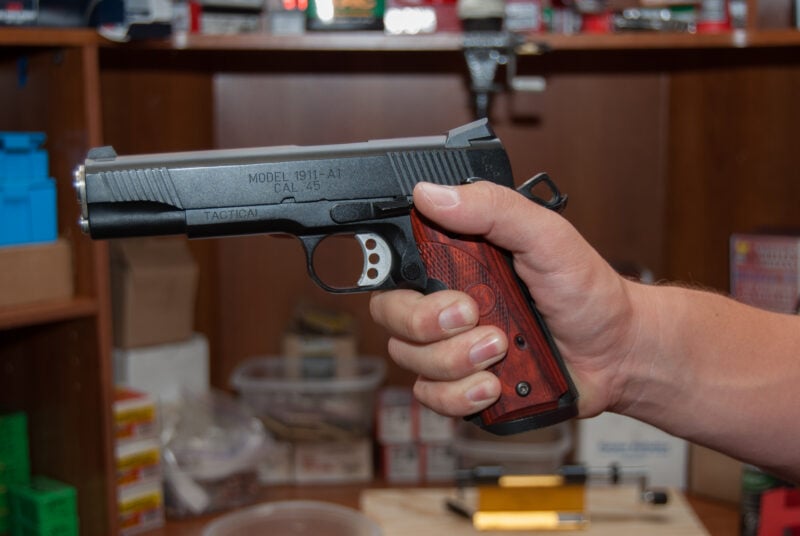
You've got space in most trigger guards to get your finger the heck out of the way to allow the trigger to reset.
To manage the reset or not to manage the reset? That is the question.
When reviewing guns, I’ve always “reported” what the reset is like on a given semi-auto handgun. Partly out of habit and partly because people want to know, whatever their reasons.
But at the same time, it occurred to me that when shooting, I never really pay attention to the reset at all. I just shoot, trying to move the trigger without moving the gun. When you do that, the hole tends to end up where you planned.
So, is trigger reset one of those meaningless theoretical things that means next to nothing in the real world, whether on the range or in a defensive encounter?

Riding the trigger as it travels forward slows the whole process and is definitely in fine-motor-skill territory.
The Reset Religion
Somewhere along the way, “feeling the reset” became gospel in the handgun training world. Instructors hammer it. Forums debate it. New shooters stress about it. We’ve turned trigger reset awareness into this mandatory fundamental that you must master before you can be a “Real Shooter.”
To set the context, we’re talking about managing the reset. After a shot breaks, releasing the trigger under control until it travels just far enough to reset the action and become ready for another trigger press. You’re not allowing the trigger to travel all the way forward, then turning around and taking up all that slack again. The thinking is that the trigger moves as little as possible back and forth. Eliminating unnecessary movement means it’s more efficient and faster, right?
But we’ve taken a mechanical detail and elevated it into a primary focus, and that’s where things go sideways.
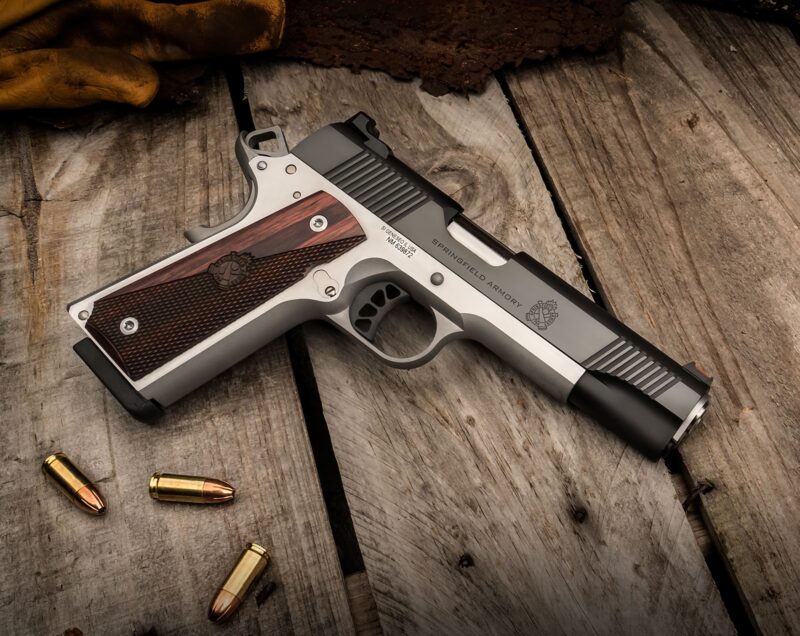
A 1911 like this has a short reset so it doesn't take much finger movement to get it out of the way.
What Actually Happens
Here’s the thing nobody wants to admit: in a real defensive shooting, or even a competitive scenario, you’re almost certainly not going to be thinking about your trigger reset. You’re just not.
Your body will be dumping adrenaline, and your fine motor skills will be degraded. Your focus will be entirely on shooting fast, not the subtle mechanical feedback in your trigger finger. You’re going to press that trigger, and your finger is going to fly forward far enough to reset whether you’re “riding the reset” or not.
The human body, under stress, whether real or competition-induced, doesn’t do nuance. It does gross motor movements. It seems that training should match that reality, not work against it.
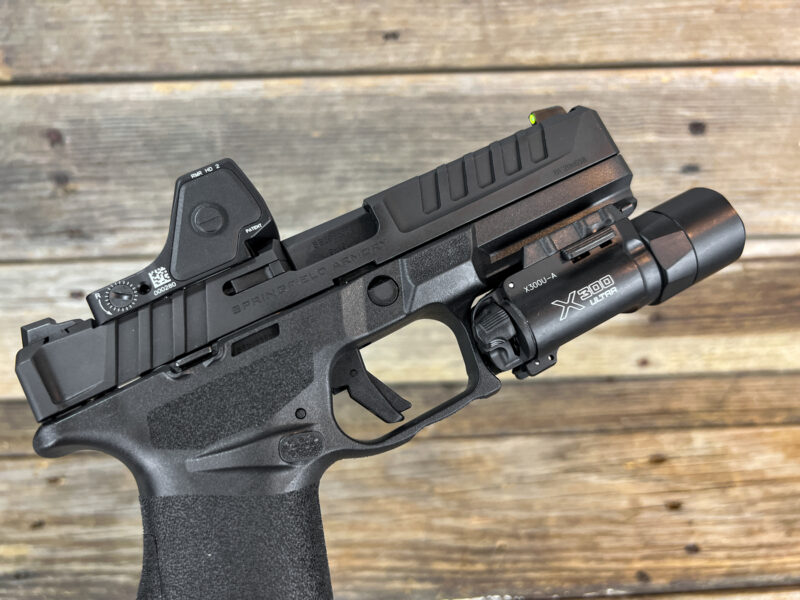
Most striker-fired pistols like this Springfield Armory Echelon have a relatively short reset,
usually in the quarter-inch range.
The Practice Range Trap
The problem with reset obsession is that it optimizes you for the wrong environment. It makes you better at controlled, recreational range shooting. And there’s nothing wrong with that if it’s your goal.
But if you’re training for defensive use, you’re essentially practicing a technique that only works when you’re calm, relaxed, and in no danger whatsoever. It’s like training for a boxing match by shadow boxing in front of a mirror. Sure, your form looks great, but you’re not learning to get punched in the mouth while planning your next move.
Your body will reset the trigger on its own if you just let it do its thing.
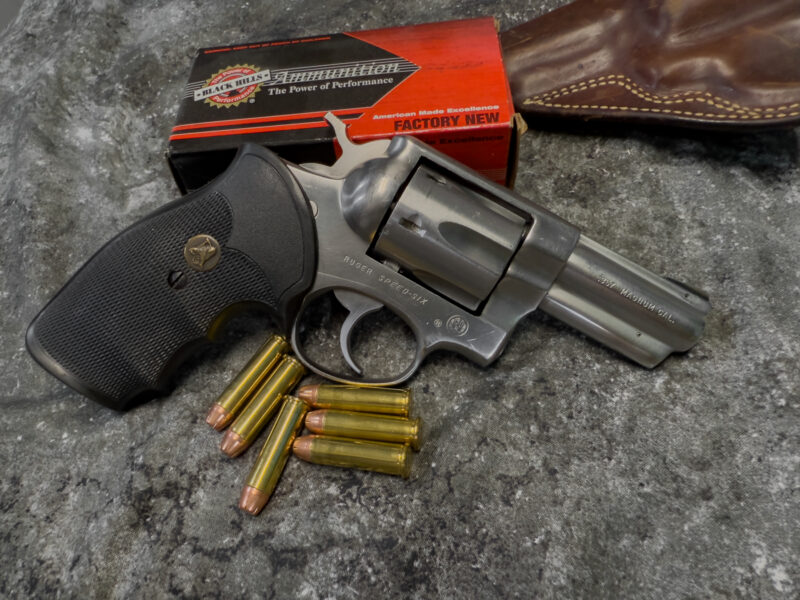
A double-action revolver like this Ruger SpeedSix has a very long reset before you can repeat a trigger press.
I didn't measure, but it's got to be approaching an inch.
What Actually Matters
So if not the reset, then what? What should you be focusing on during trigger press?
Sight picture. Full stop. Your eyes should be glued to your front sight (or dot, if you’re running an optic) through the entire press. The trigger breaks when it breaks. Your finger does its job. But your focus stays forward.
Hold the Gun Still. Yeah, I know this is another training cliché, but it actually matters. If you can move the trigger without moving the gun, you’ll hit your target. It is that simple. Some of the best competitors in the world slap the heck out of the trigger on every shot. They shoot fast and accurately.
Natural release. Let your finger come forward naturally after the shot. If you’re impeding the forward movement of the trigger, then by definition, you’re slowing down its movement. If you let it go, it will move past reset as fast as the springs will drive it. Your job is getting ready to move it rearward again. Your finger knows how to do this. It’s done it thousands of times. Stop micromanaging it.

This SIG P229 Legion is a double-action / single-action design.
When it shifts to SA after the first shot, the reset is very short.
The Training Time Problem
Here’s the other thing that bugs me about reset obsession: it eats up mental bandwidth.
When you’re learning to shoot, you’ve got a lot on your plate. Stance, grip, sight alignment, sight picture, trigger press, recoil management, follow-through. That’s already a lot of balls to juggle. Now add “feel for the reset click and release exactly to that point,” and you’ve got cognitive overload.
Some shooters end up so focused on that reset click that everything else suffers.
Your practice builds your habits. If you practice being deliberate and mechanical about the reset, that’s what you’ll default to under stress. Which means you’ll be slower when speed actually matters.
Exceptions That Prove the Rule
Okay, I’ll grant you this: there are specific situations where reset awareness matters. If you’re shooting competitive bullseye, where you’re taking single, carefully aimed shots with long pauses between them, sure. Feel that reset. Take your time. You’ve got time.
But for defensive shooting? For concealed carry? For the kind of shooting that most of us are training for? Reset obsession can be a solution looking for a problem.
Your trigger will reset. It always does if you allow it to do its thing. Stop babysitting it and focus on the target and the trigger movement in the other direction.
Get more exclusive online content from American Handgunner delivered straight to your inbox. Sign up for our free American Handgunner Insider newsletter.