The First Shot Problem
Why Your Draw Practice Might Be Lying to You
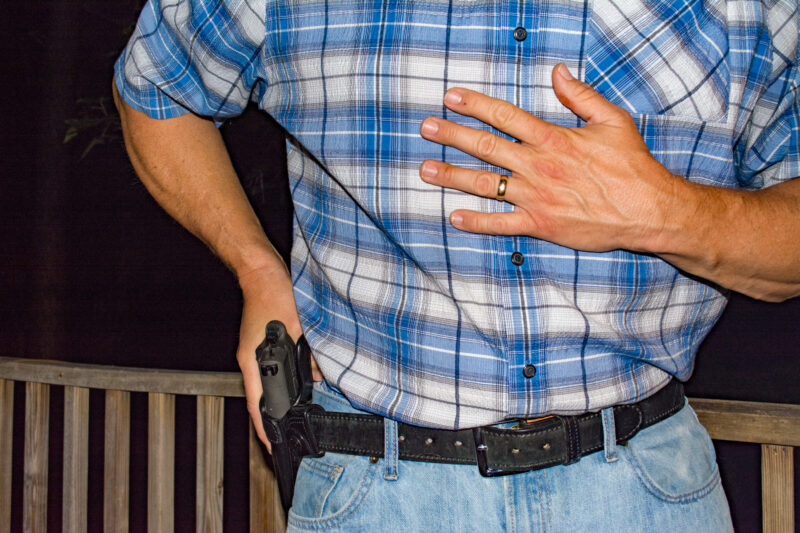
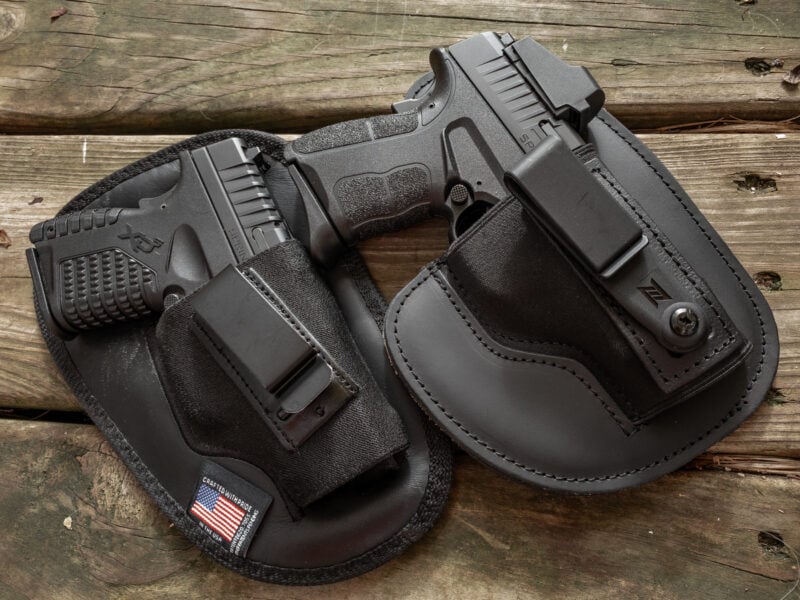
With an OWB draw, as long as you reliably get your support hand out of the way
and establish a proper grip, you can go fast at this stage.
Ever watched someone run through a bunch of draws from concealment? Some folks are scary good, smooth as butter and fast to boot. But what about the “on target” results? Maybe somewhere between “yikes” and “hope you have good insurance.”
Here’s the thing nobody talks about: we’ve gotten really, really good at practicing fast draws. We time ourselves. We record videos. But somewhere along the way, we forgot the whole point of drawing the gun is to put a hole where it needs to go. Preferably the first time.
The Draw Isn't the Whole Thing
For about six months, I was absolutely convinced I was getting faster at my draw. I’d practice in my office, clearing my cover garment, getting a solid firing grip, bringing the gun up to eye level, virtual bang. My times were dropping. I used the Mantis system to accurately time the whole process. It even breaks down your times for each “stage” of the draw.
Turns out I’d gotten really efficient at drawing a gun and pressing a trigger. But “drawing a gun” and “hitting the thing you need to hit right now” are two entirely different skills. It’s like being great at starting your car versus being great at parallel parking. Both involve the car, but one actually gets you somewhere useful.
We tend to measure the wrong success metric. The beep doesn’t care if you hit. The timer doesn’t judge your group size. And your basement wall doesn’t shoot back to let you know, the hard way, that your sight alignment was garbage.
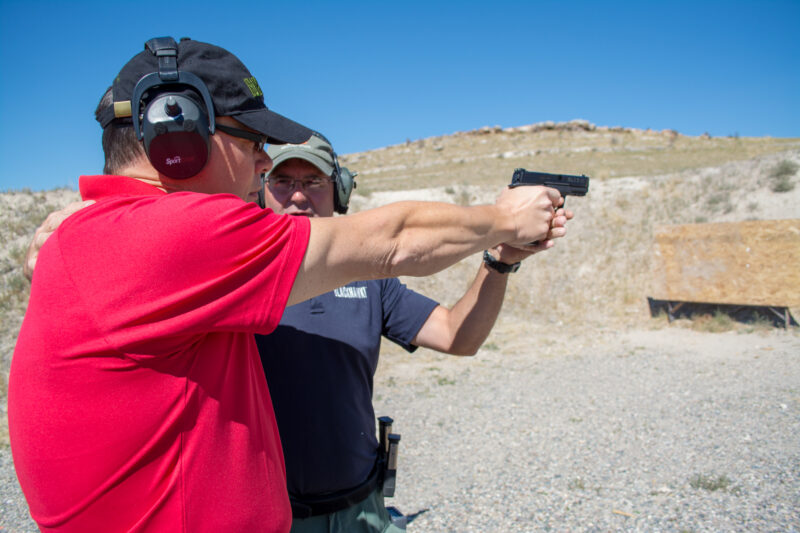
Here's the place to really slow down and get it right. Eliminating wasted motion here
gives you time to focus on an accurate shot.
What "First Shot" Actually Means
When I say “first shot,” I’m not talking about cold-bore accuracy with a rifle at 600 yards. I’m talking about that round that leaves your carry gun the moment you’ve decided someone needs to stop doing whatever terrible thing they’re doing. It’s the shot that happens when your heart rate is around 180, your fine motor skills have left for vacation, and your brain is screaming sixteen different things at once.
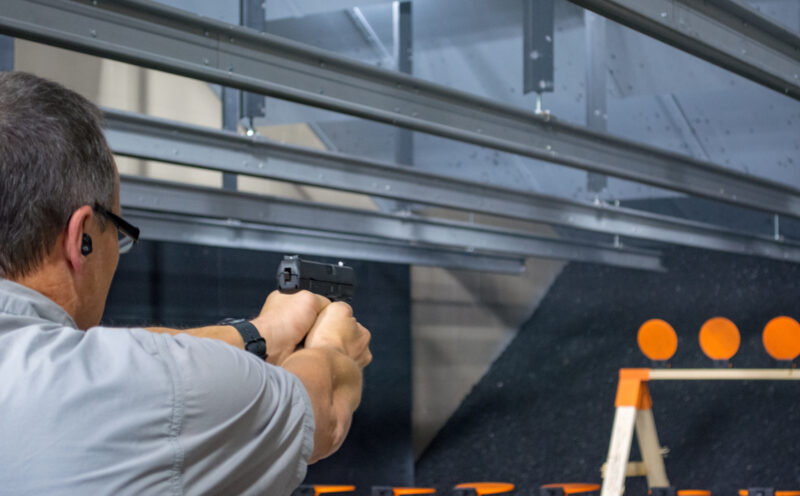
Practicing draw and shoots with smaller targets keeps the "quality" of your process honest.
That first shot matters more than any other round you’ll ever fire. Miss it, and you’ve just given the other guy time to recalibrate his life plans, which probably include making yours significantly shorter. Make it count, and you’ve likely ended the fight before it really started.
So why do we practice draws like we’re training for a speed-shooting competition instead of a gunfight?
The Speed Trap
Here’s what happens: you decide to practice your draw. You set up in front of a mirror, or your phone camera, or just standing in your living room. You run through the motions. Clear garment, establish grip, draw, present, press. Maybe you’ve got a shot timer app. Beep. Bang. 1.4 seconds. Run it again. 1.35 seconds. Again. 1.38 seconds.
You’re getting data. You’re seeing improvement. It feels productive.
But you’re not practicing the first shot. You’re practicing the draw. The shot is just the thing that happens at the end, so you can stop the timer. It’s like practicing your golf swing by focusing on how fast you can complete the backswing. Technically part of the process, but not actually the point.
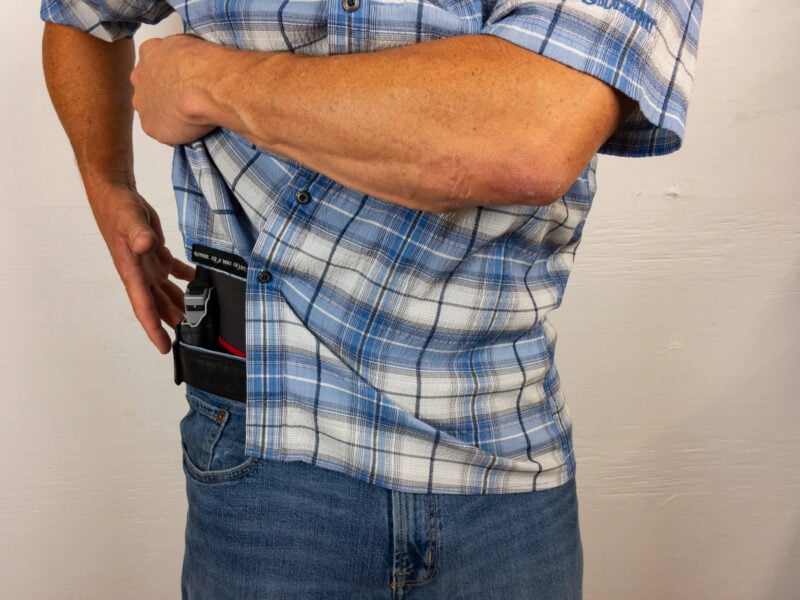
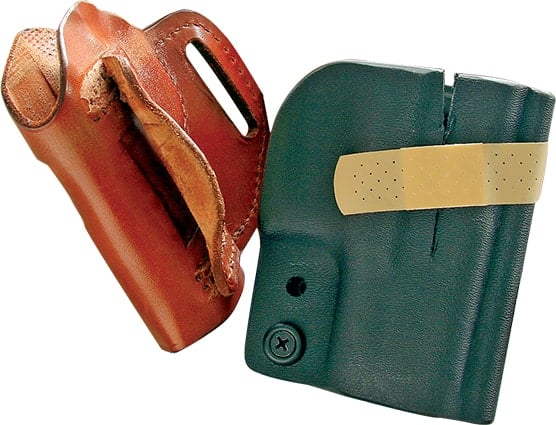
The motions in an IWB draw are gross motor skills and not critical to accuracy,
so you can hurry here, so long as you get a good grip on the first try.
The Sight Picture Problem
The issue is this: when you practice draws without an actual target to hit, your brain starts taking shortcuts. You bring the gun up to approximately where your sights should be, and you press the trigger. Your visual system fills in the gaps. “Yeah, that looks about right.” Your muscle memory says, “We’ve done this a thousand times, we’re good.”
Real first-shot accuracy requires you to actually see what your sights are doing in that last fraction of a second before the shot breaks. Oh, and things are moving, so your visual sight picture isn’t all that accurate anyway, at least compared to a hole in paper. Real practical accuracy requires verification, right now, in real-time, that your process is doing what it needs to do.
And that takes time. Not much — maybe a tenth of a second longer than your “speed draw to nowhere” practice. But it’s time your timer-focused training doesn’t account for.
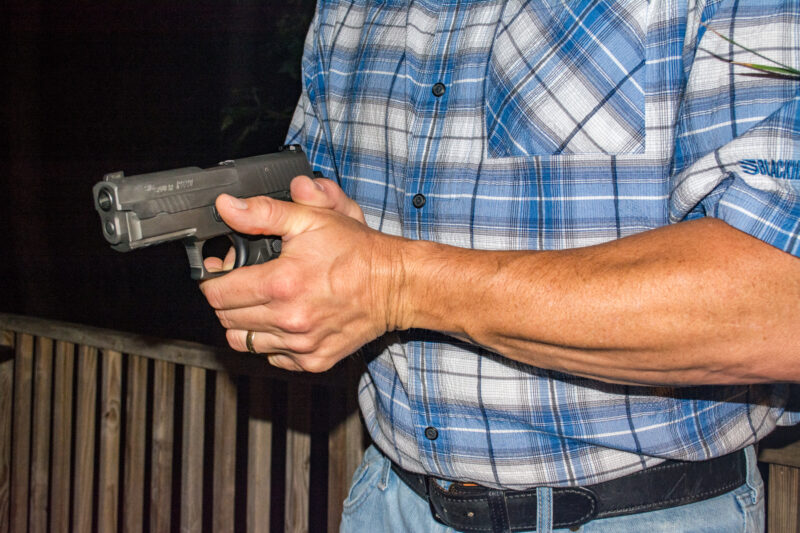
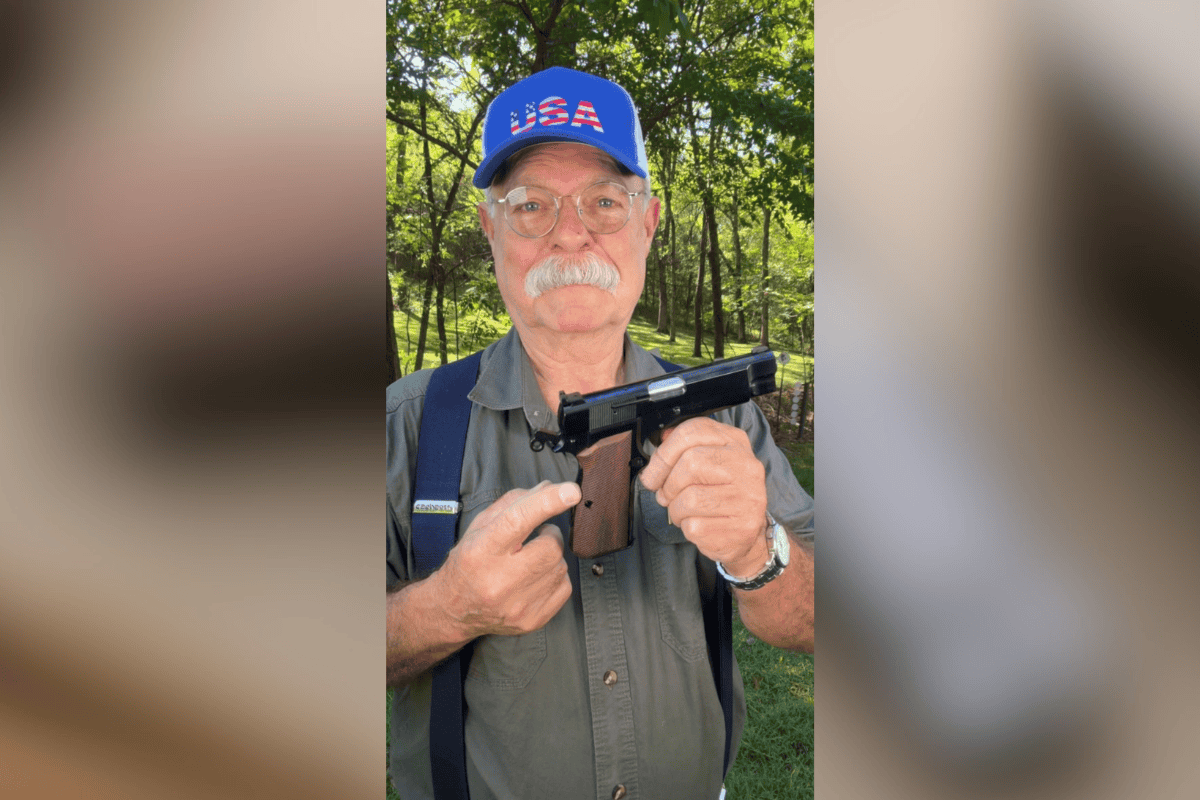
I've got the gun out with a proper grip. Now it's time to focus on the accuracy part.
How to Actually Practice First Shots
So how do you fix this? It’s simpler than you’d think, but it requires you to get over your obsession with draw speed.
Start with targets that demand accountability.
Not a full-size silhouette. Not the whole A-zone of an IPSC target. Use something the size of an actual vital zone: 6 to 8 inches. A paper plate works great. So does a 3×5 index card if you want to get fancy. Put it at realistic self-defense distances: 5 to 10 yards.
Draw with the goal of hitting, not the goal of speed.
Take as long as you need to verify your sight picture before you break that first shot. If it takes you 2.5 seconds, fine. Get comfortable putting that round exactly where it needs to go. Speed comes later, but only after you’ve trained your visual system to actually confirm what your sights are doing. I took a class once and picked up the most “oh duh” advice ever. Do the less important stuff in a hurry, but take your time on the important part. Translation: get the gun out and pointed forward fast, but slow down as much as necessary to get a proper sight picture on target.
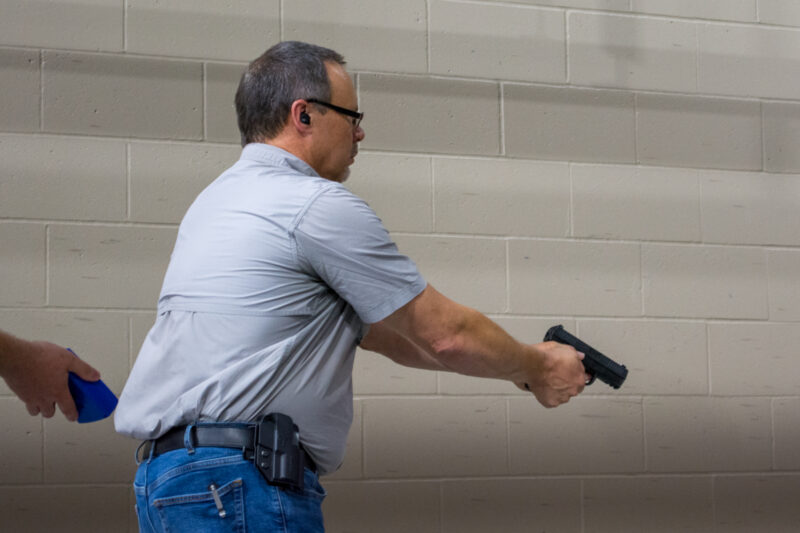
Time to start slowing down and focusing on obtaining the right sight picture...
Make every rep count.
This isn’t high-volume speed practice. This is precision work. Ten perfect first-shot draws beat 100 sloppy fast ones. If you miss, figure out why before you run another rep. Was your front sight high? Did you rush the press? Did you lose your sight picture during the extension? When I’m at the range, even if I can’t draw (many range policies), I start shots from a low ready and raise the gun to target with the intention of breaking the shot right as the muzzle rises into perfect position. I don’t even do this fast. I just establish a goal of one motion with no pause before the shot. It burns in the habit of the last part of the draw and shoot being deliberate and accurate.
Add stressors gradually.
Once you can consistently put that first round in the target, start making it harder. Move while you draw. Draw from awkward positions. Have a friend call out random directions before the beep. Start to simulate the chaos of an actual encounter. But don’t compromise that first-shot accuracy in the process. If your hit rate drops below 80-90%, you’ve added too much chaos too fast.
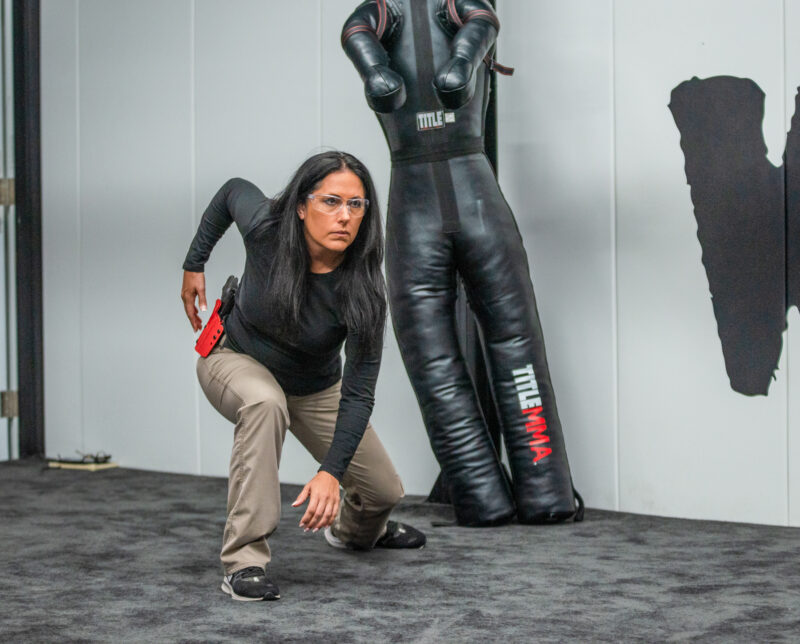
A dynamic situation makes it even more important to take an extra split second
to make sure your shot goes where you intend.
The Uncomfortable Truth
Here’s what nobody wants to hear: your 1.2-second draw means absolutely nothing if you can’t hit with that first shot. The first shot is the only one you can truly count on. Everything after that is not necessarily a guarantee.
I’ve slowed down my draw practice significantly. I’m not timing myself anymore. Instead, I’m watching my front sight. I’m making sure that when the shot breaks, I’ve actually confirmed it’s going where I want it to go.
The most important piece is this: when you decide you need to shoot, can you hit what you’re shooting at? Not eventually. Not after a couple of follow-up rounds. Right now. First shot. That’s what matters.
Get more exclusive online content from American Handgunner delivered straight to your inbox. Sign up for our free American Handgunner Insider newsletter.