The Curious Origins of the Marlboro Man

I absolutely despise cigarettes. Those who do not have clearly never had to tell somebody’s Dad he had lung cancer and would likely never see his grandchildren graduate from high school. Trust me, that experience sucks for everyone involved.
Smoking is one of the dumbest things anyone can do. Thankfully, after decades of effort, the prevalence of smoking is finally dropping. The modern history of cigarettes is a study in corporate greed and societal tragedy.

The Marlboro Man image so resonated with Americans that Phillip Morris dropped
all the other studly guys in favor of just the cowboy.
Math
Smoking kills 7 million people a year worldwide. 480,000 of those are Americans. 1 in 5 total deaths in America are attributable to smoking. It’s the leading cause of preventable death in the world. Half of all smokers die early.
Smoking used to rob smokers of around 16 years. Today, that’s closer to a decade. That’s not because smoking is any safer. It’s because we have gotten better at treating stuff like heart disease and lung cancer.
Smoking accounts for 90% of the lung cancer in the world. Prior to World War I, lung cancer was actually vanishingly rare. Physicians of the day wrote case reports about it because it was so unusual. Back then, very few people smoked, so very few people developed lung cancer.
By the 1950s, smokers were developing heart disease and emphysema at precipitous rates. Folks began to suspect that smoking might actually be bad for you.
Today, about one in 10 adults smokes. Back in 1965, that number was 43%. In 1954, it was closer to one-half. There are lots of fascinating reasons for this.
Impetus
16 million men served in uniform during World War II. Uncle Sam put cigarettes in K-rations, which back then were like MREs today. This was shelf-stable field food that every GI in the world ate. That gave them all ready access to cigarettes. The government thought they were doing these GIs a favor.
Nicotine is perceived to be a great anxiety medicine. Smoking is actually physiologically stressful, but it makes you feel relaxed. Nicotine is a drug with predictable effects.
Combat is stressful. It is arguably the most stressful aspect of the broader human experience. Given the ubiquitous availability of cigarettes, most guys in combat smoked. Nicotine is also physiologically addictive. Your body will literally hate you when you try to quit.
Those 16 million guys brought their smoking habits home and shared them with their spouses. In short order, nearly half the adult population smoked. After the war, cigarette companies made a literal killing.
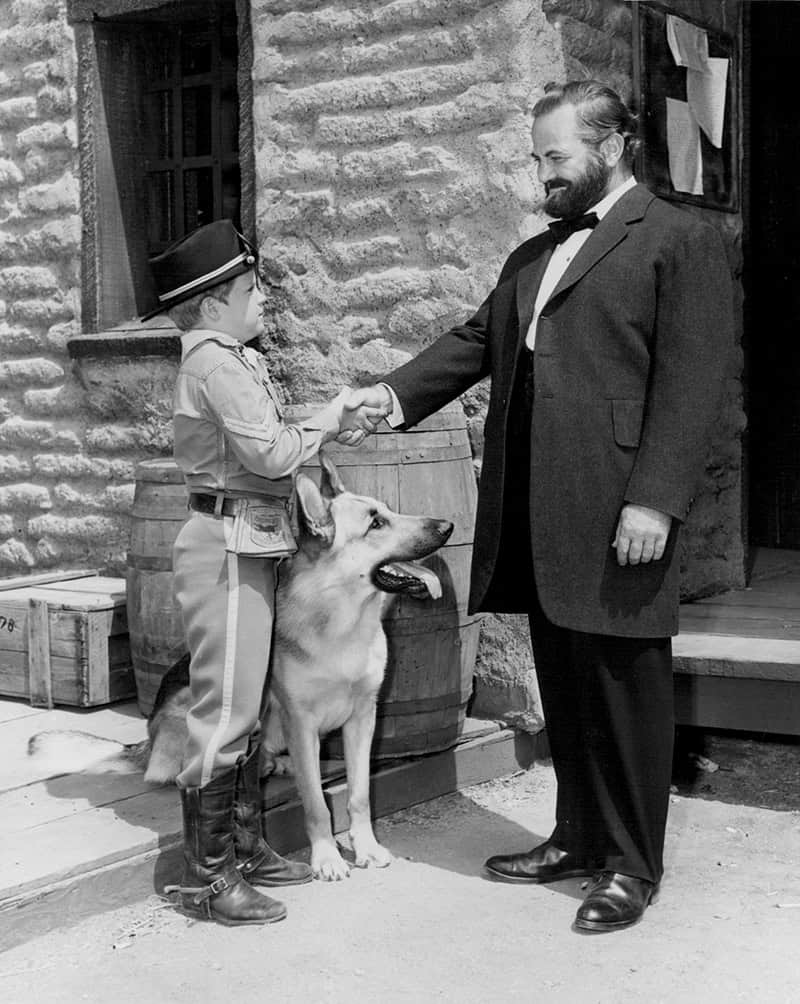
Paul Birch, shown here playing President US Grant in an old movie, was the first real Marlboro Man.
Human Nature
There are some curious social factors involved in cigarette smoking. Back in the 1950s, smoking was an integral part of American society. Various brands were perceived differently.
Tobacco companies aggressively pursued customers. One successful ad campaign highlighted the most popular cigarettes among doctors. It showed physicians blowing smoke into their patients’ faces in an exam room. Young ladies sold cigarettes bed-to-bed to patients in hospitals.
Marlboro was one of the first brands of filtered cigarettes. Cigarette filters don’t make any difference. Sucking your smoke through a filter was really no different from just sucking your smoke. However, perception is reality. Smokers who wanted to feel like they were mitigating their risk opted for filtered cigarettes because they believed them to be safer. Then, as now, women led the way.
Girls are more sensible than guys. 94% of the incarcerated population in America is male. Testosterone is the world’s most potent poison. Back in the 1950s, filtered cigarettes were considered effeminate. Marlboro was a lady’s brand. Their advertising slogan was, “Mild as May.” Then, cigarette executives realized they were marketing themselves out of half the pool of potential consumers. That simply wouldn’t do.
Marlboro Manliness
Phillip Morris introduced Marlboro cigarettes in 1924. By the early 1950s, Marlboro held 1% of the overall market share. A marketing firm called Leo Burnett Worldwide took on the challenge of rectifying that. Previously, ads for filtered cigarettes were filled with technical jargon and pseudo-science touting their relative safety. By contrast, Leo Burnett just leaned into what made American men manly.
Early Marlboro ads used sea captains, weightlifters, construction workers, and war correspondents to tout how awesome Marlboro cigarettes were. What really moved those coffin nails, however, was the image of the American cowboy. Texas cowpoke Clarence Hailey Long Jr. was featured in an article in Life Magazine in 1949. This image so resonated with Americans that Phillip Morris dropped all the other studly guys in favor of just the cowboy. Long wasn’t the first Marlboro Man, but he was the inspiration.
Paul Birch was an actor who appeared in 39 movies, 50 stage productions, and a bunch of TV shows. He was the first character to be disintegrated in the 1953 movie War of the Worlds. He was also the first official TV Marlboro Man.
Other actors claimed that spot in print and on billboards. However, Birch was the first Marlboro Man on television. Like most folks in show business, Birch enjoyed a tumultuous life. He married twice and fathered five kids. He also died in 1969 at age 57 of lymphosarcoma, likely secondary to smoking.
There were other Marlboro Men. Counted among them was Wayne McLaren. McLaren ultimately succumbed to lung cancer. His last words were, “Take care of the children. Tobacco will kill you, and I am living proof of it.” Friends, for the love of all that’s holy, just don’t smoke.
Get More Guncranks Every Week!
By submitting this form, you are consenting to receive marketing emails from: . You can revoke your consent to receive emails at any time by using the SafeUnsubscribe® link, found at the bottom of every email. Emails are serviced by Constant Contact