Factory vs Aftermarket:
Which Magazine is Right for Your Carry Gun?
If you’ve spent any amount of time around firearms, you’ve probably heard the advice: “Just buy OEM magazines.”
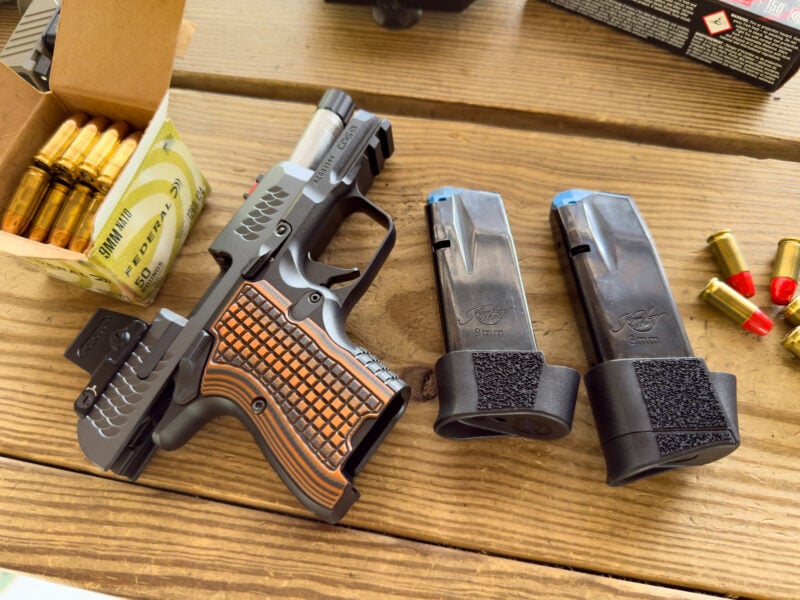
There’s a good reason for that. Factory magazines are designed specifically for the firearm they accompany. The manufacturer knows the dimensions, spring rates, follower design, and tolerances required to keep the pistol running reliably.
At the same time, aftermarket magazines have come a long way over the years. Some have earned reputations for being every bit as dependable as factory options, while others remain range toys at best.
So which one belongs in your carry gun?
The answer depends on the magazine itself, not necessarily on whether it came from the firearm manufacturer.
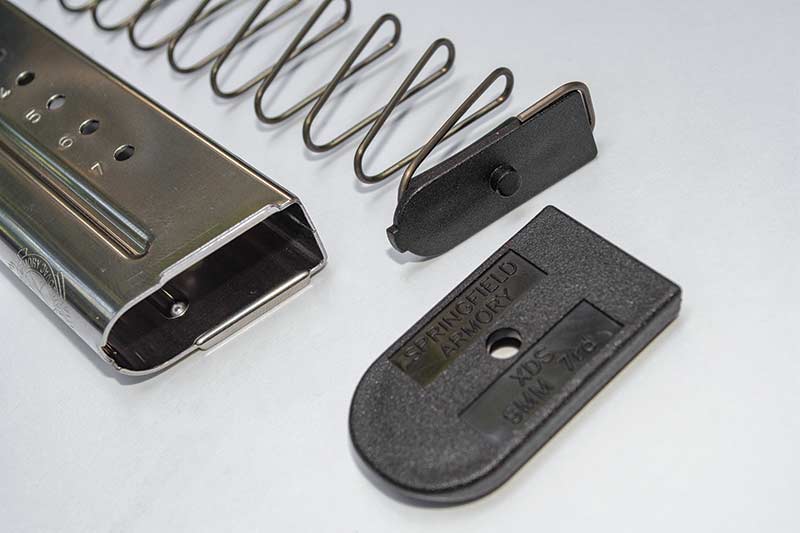
Don’t just maintain parts like magazines and springs; recognize they
may need to be replaced from time to time.
Why Factory Magazines Earn So Much Trust
When reliability is your top priority, factory magazines are usually the starting point.
Manufacturers spend thousands of rounds testing their firearms with specific magazine designs. That’s particularly important for carry guns, where feeding issues can quickly turn a bad situation into a worse one.
If you’re looking for Sig Sauer P365 magazines, Glock 19, Springfield Hellcat, or Smith & Wesson M&P mags, factory magazines are generally the benchmark against which everything else is measured.
That’s why many instructors recommend carrying OEM magazines for defensive use, even if you practice with aftermarket alternatives.
The downside, of course, is cost.
Anyone who has purchased spare magazines for a newer pistol knows they aren’t getting any cheaper. Depending on the platform, factory magazines can easily cost $40, $50, or even more per magazine.
When you’re trying to build a training setup with six or eight magazines, those costs add up quickly.
The Case for Aftermarket Magazines
Not all aftermarket magazines are created equal.
Some manufacturers have spent years building products that shooters trust for both training and everyday carry. Companies like Magpul, Mec-Gar, and a handful of others have developed strong reputations because their products consistently perform well.
In fact, many shooters don’t realize that Mec-Gar manufactures magazines for several major firearm companies. There’s a good chance you’ve already trusted one without knowing it.
Aftermarket magazines also give shooters options that factory offerings sometimes don’t.
You may find higher-capacity magazines, extended baseplates, improved grip surfaces, or configurations that simply aren’t available directly from the firearm manufacturer.
For competitive shooters and range enthusiasts, those options can be extremely appealing.
The problem is that quality varies considerably.
For every aftermarket magazine with a proven track record, there are several bargain-bin alternatives that struggle with feeding, lock-back issues, or inconsistent spring tension.
That’s where buying from a knowledgeable retailer becomes important.
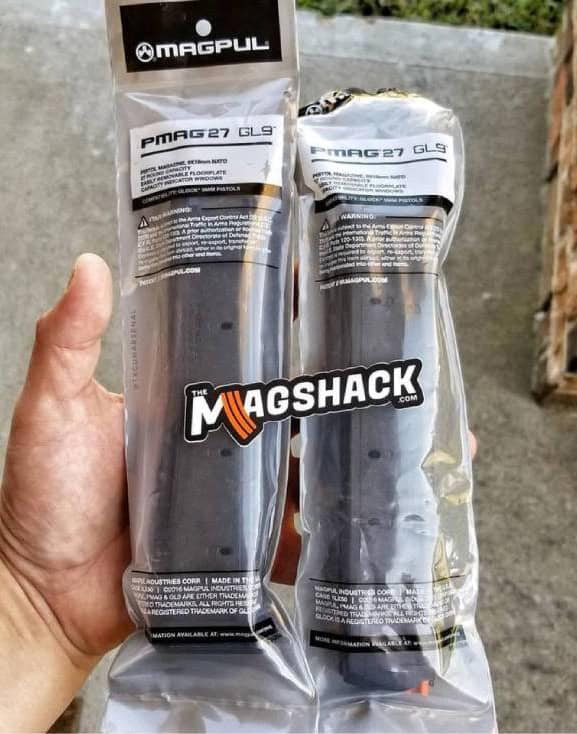
Photo by The Mag Shack.
Where to Buy OEM and Aftermarket Mags?
To balance between quality and budget, go for trusted suppliers that can guide you on options for a specific gun. Here’s where The Mag Shack steps into the game.
Founded in 2016 by firearm enthusiasts who wanted a better source for magazines and accessories, The Mag Shack has grown into one of the country’s largest magazine-focused retailers. Along the way, they’ve worked with everyone from first-time gun owners to competitive shooters, law enforcement officers, and experienced concealed carriers.
One thing becomes obvious pretty quickly when you spend every day around magazines. Brand reputation matters, but real-world performance matters more. The Mag Shack’s team offers only products and brands they personally trust.
That’s why their catalog focuses heavily on proven factory magazines and aftermarket manufacturers that have established records of reliability. Their team includes veterans, competitive shooters, and firearm industry professionals who spend plenty of time behind the guns these products are designed for.
So, Which Mag Should You Carry?
For most people, factory magazines remain the safest answer for concealed carry.
They were built specifically for the firearm, extensively tested by the manufacturer, and have the longest track record of reliability.
That said, certain aftermarket magazines have absolutely earned a place in the conversation. If a company has a proven reputation, extensive testing history, and a strong following among experienced shooters, there’s no reason to dismiss it simply because it isn’t OEM.
The advice is pretty simple. Carry what you’ve tested. That’s especially true today, when proven aftermarket options like Magpul mags have demonstrated that reliability isn’t limited to products carrying the firearm manufacturer’s name.
Whether it’s factory or aftermarket, run it hard. Shoot defensive ammunition through it. Practice reloads. Verify that it locks back consistently and feeds reliably.
A magazine is one of the least expensive parts of your carry setup, but it’s also one of the most important. Choosing the right one starts with buying from manufacturers you trust and retailers who understand the difference.
Frequently Asked Questions
Are factory magazines always more reliable than aftermarket magazines?
Not necessarily. Factory magazines have the advantage of being designed and tested specifically for the firearm they’re intended to run in, which is why many shooters trust them for concealed carry. That said, several aftermarket manufacturers have built strong reputations over the years and consistently produce magazines that perform extremely well.
Can I carry an aftermarket magazine for self-defense?
You can, but it’s recommended to do so after thoroughly testing it in your firearm. Run your preferred defensive ammunition through it, verify that it feeds reliably, and make sure it consistently locks the slide back when empty. If it proves itself over time, there’s no reason to dismiss it simply because it isn’t OEM.
Are Magpul magazines good enough for everyday carry?
Many shooters trust Magpul magazines for training, competition, and even defensive use. They’ve developed a strong reputation for reliability across several firearm platforms. As with any magazine, though, it’s worth spending some time on the range to confirm it performs well in your particular firearm before carrying it.
How many magazines should I own for a carry gun?
That depends on how often you train, but it’s common to have at least five or six magazines per handgun. That gives you enough for range sessions, lets you rotate carry magazines as needed, and provides a few spares in case one wears out or gets damaged.
The Final Word
The factory vs aftermarket debate probably isn’t going away anytime soon, and honestly, that’s a good thing. Competition has pushed manufacturers to build better products, and shooters have more quality options today than ever before. Whether you stick with OEM magazines or decide to trust a proven aftermarket alternative, the goal remains the same: reliable performance every time you press the trigger.
For plenty of magazine options, both OEM and aftermarket, visit The Mag Shack.